Annual leave
Who Invented Your Summer Holiday?
The paid summer holiday feels timeless. In fact, it was fought for — and invented surprisingly recently.
 90
90The story, with a little more room
About a 90-second read
Beyond the
90 seconds.
Summer holidays now arrive with the inevitability of weather.
Out-of-office replies appear. Cities empty. Airports fill. Entire economies rearrange themselves around the assumption that, for a few weeks every year, people who work are entitled not to.
Historically, this is a surprisingly radical idea.
Leisure existed, of course. The wealthy had always travelled, retreated to country houses, visited spas or escaped hot cities for cooler coasts. What most workers did not have was the crucial combination that makes the modern holiday possible:
time off — and money arriving while they took it.
That changed dramatically in Europe during the twentieth century.
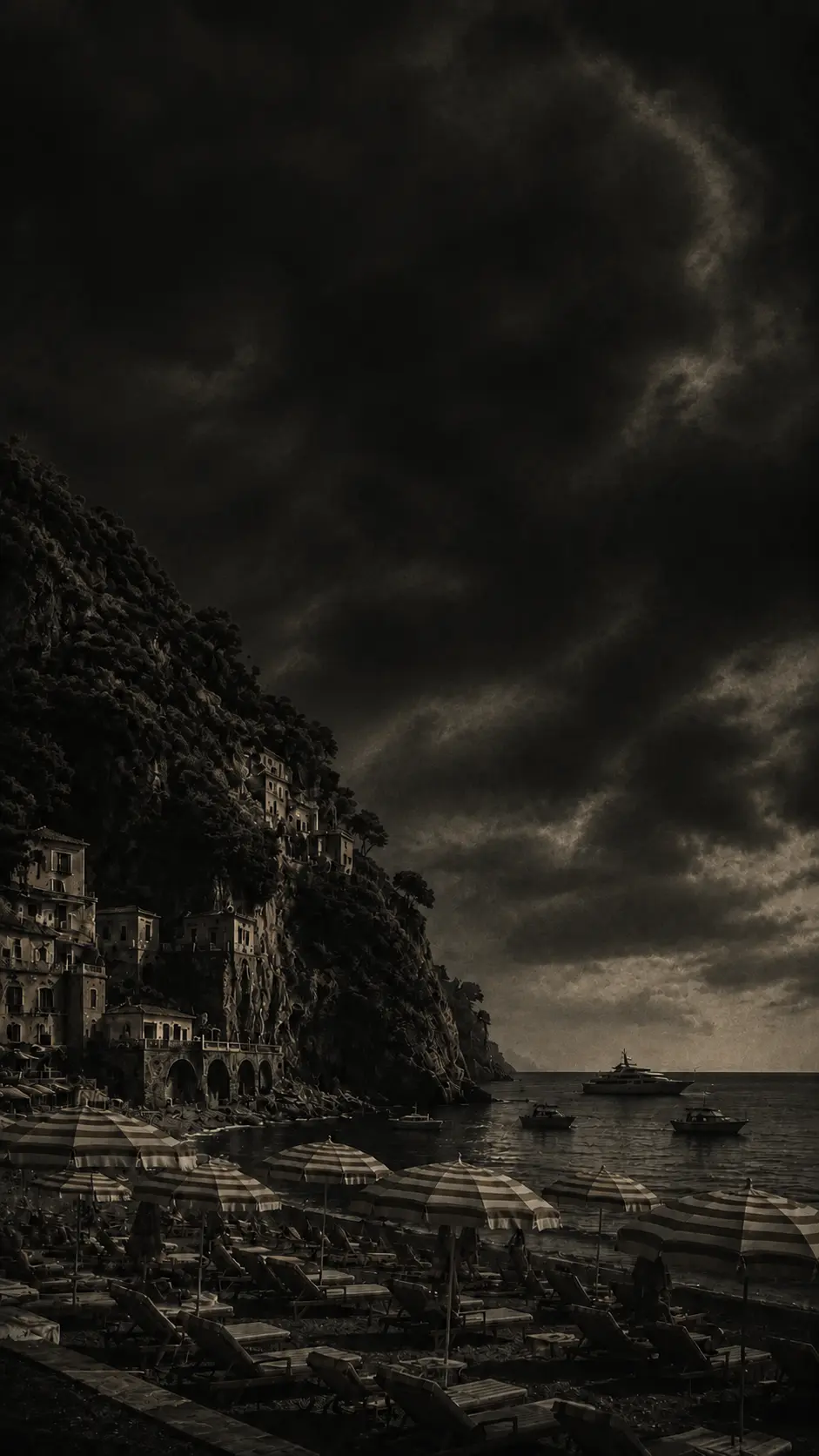
France provided the great symbolic moment in 1936. The Popular Front government introduced two weeks of paid annual leave for employees. Suddenly, the seaside was no longer reserved for people whose income allowed them not to work.
The same year, the International Labour Organization adopted its first convention on paid annual holidays. Its minimum now looks almost comically modest: six paid working days after a year of continuous employment.
At the time, it represented something much larger.
The holiday was being transformed from privilege into labour right.
After the Second World War, rising incomes, expanding rail and road networks, commercial aviation and increasingly generous leave entitlements did the rest. Mass tourism followed.
The consequences were enormous. Coastlines changed. Resorts appeared. August acquired its strange power to suspend normal European life.
Even the idea of summer itself changed.
It became something people could plan, book, anticipate and eventually complain about on social media when the hotel buffet failed to meet expectations.
Paid leave now feels so ordinary that its politics have largely disappeared from view.
Perhaps that is what happens to successful revolutions.
Eventually, they become calendar entries.